
Audit finds flaws in Minnesota farm water program
A new state report found flaws in a program that rewards Minnesota farmers who protect water quality.
Launched more than a decade ago, the Minnesota Agricultural Water Quality Certification Program offers financial assistance to producers who change their farming practices to prevent water pollution.
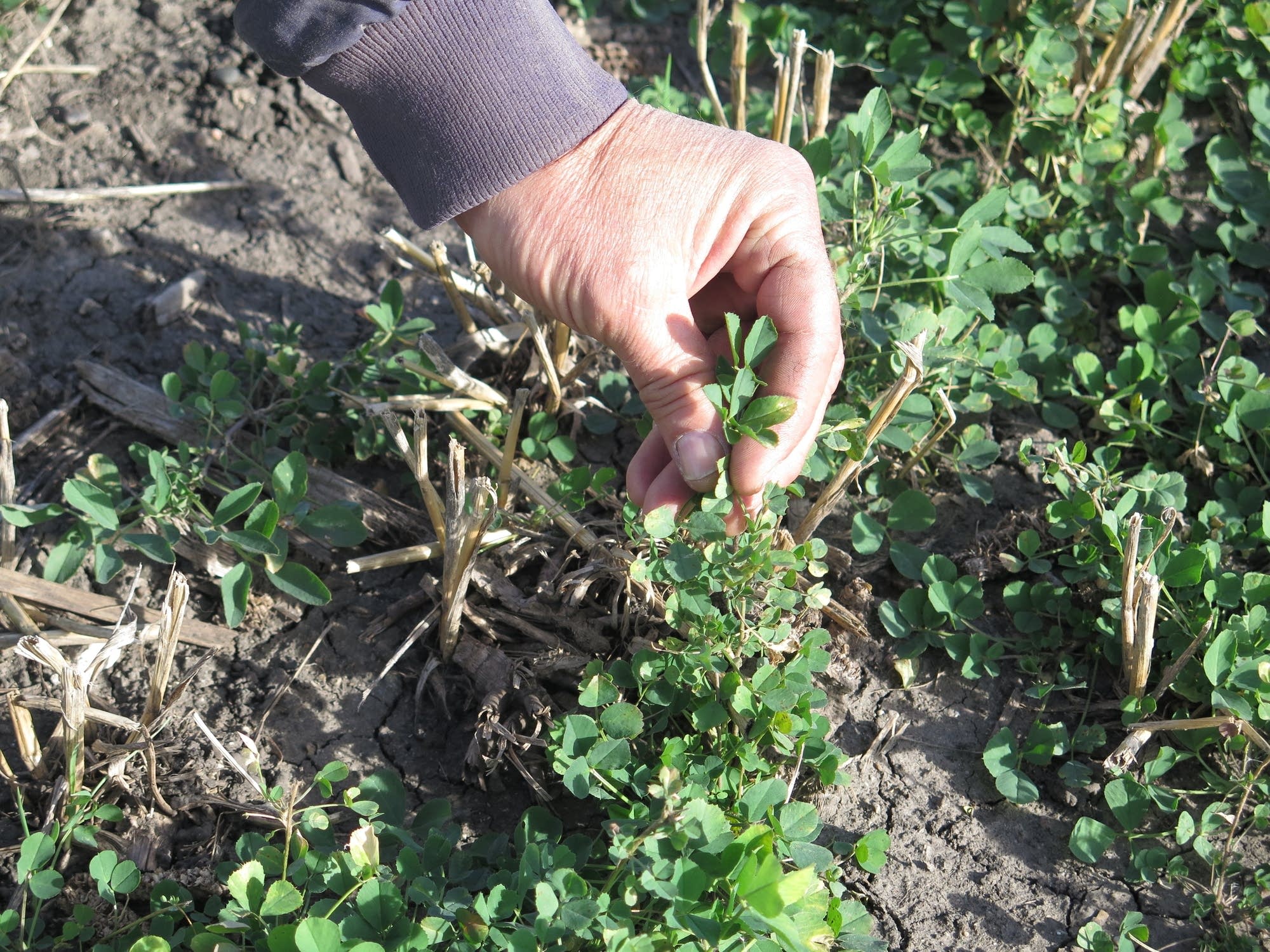
They might choose to till less often, which slows erosion and reduces fertilizer runoff into local waterways. Or they might plant cover crops and vegetative buffers to slow runoff.
The report from the Office of the Legislative Auditor released Friday found the Minnesota Department of Agriculture certified some farmers into the program who didn’t meet all the standards but had agreed to do so in the future.
However, sometimes those farmers approved on “contingencies” still didn’t comply years later, the report states. It notes, for example, that one farmer received six years of program benefits but never compiled before his certification was suspended.
The report also says the program’s effect on water quality is not clear, because the data the department uses to estimate how much pollution it’s saving has limitations. For example, not all producers are required to adopt new farming practices to get certified.

About 1,500 farmers were actively certified in the program last year, according to the report. The total number of certified acres was a little over 1.1 million, which is about 4 percent of Minnesota’s total farmland.
The ag department touts the environmental benefits of the program, including the amount of nitrogen, phosphorus and sediment its farmers are keeping out of Minnesota’s waters. Nutrient runoff from fertilizers can cause algal blooms in waterways. And sediment can block sunlight essential for aquatic plants.
In a statement, the Minnesota Department of Agriculture said it’s proud of the program, which was the first of its kind in the nation, and “all it has done to further the state’s commitment to water quality and conservation while advancing responsible and innovative agricultural practices.”
Advocates defend the program
Thom Petersen, Minnesota’s agriculture commissioner, said it’s a good time for a review of the program’s performance and how to improve it. But Petersen took issue with the report’s criticism of certifying farmers who aren’t yet in compliance on contingencies.
“We think contingencies are important to bring producers along as they make those changes, because some of those changes take some time,” he said.
Petersen also disputes that farmers in the program are receiving benefits even though they don’t meet the standards.
“A lot of these people are my neighbors. I know the improvements that they’ve made to their farms. I’ve seen the investments that they put in,” he said. “The money they get from the state is a small portion of the overall practice and changes that they’re voluntarily making to their farm to help improve water quality.”
The program also has supporters among producers and local officials.
Megan Herbst, a conservation planning manager with the Stearns Conservation District, works with farmers who want to get certified in the program.
Herbt said the program has been effective at promoting conservation practices, especially among farmers who might want to improve their farming practices but aren’t ready to jump in all the way.
“On every acre, what little steps can I make to improve water quality and to improve soil health and keep the soil on my farm?’” Herbst said.
Alex Udermann, owner of Meadowbrook Farm near Sartell, said in an email that the program has been “tremendously beneficial” as his farm adopted soil health principles and transitioned toward regenerative agriculture.
Since becoming certified, Udermann’s farm has adopted a range of conservation practices, including transitioning to no-till farming, planting cover crops and improving nutrient management.
“Every certified farm is taking measurable steps to reduce soil erosion, keep nutrients on the field where they belong and improve how water moves through the soil, instead of running off into ditches, streams, rivers and lakes,” he said.